Vision Correction
SMILE vs. PRK vs. ICL: What Are These Eye Surgeries?
EYEREUM Eye Clinic


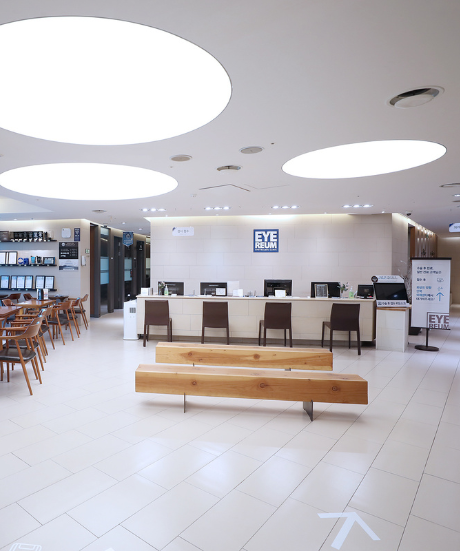
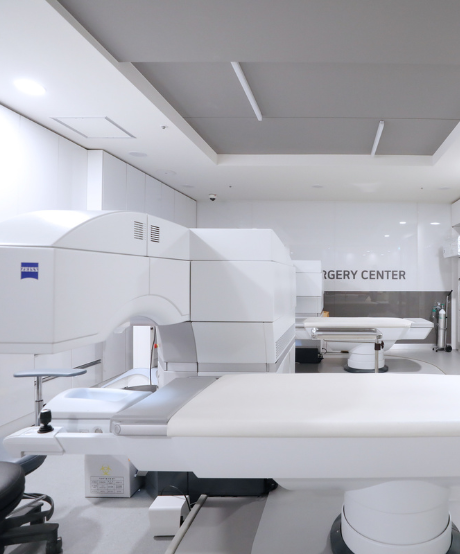
EYEREUM Eye Clinic is a vision correction ophthalmology clinic in Gangnam-gu, Seoul, specializing in SMILE, SMILE Pro, ICL lens implantation, and presbyopia-cataract surgery. Since opening in 2011, it has been loved by patients for surgery based on accurate diagnosis and safe procedures, and has published 65 SCI papers in Korea and abroad. For most foreign patients who come to EYEREUM Eye Clinic, the 1Day surgery system, which completes examinations and surgery on the same day, allows them to efficiently plan vision correction and travel in Korea even with a short stay. Located directly connected to Exit 2 of Gangnam Station, surgeries are performed personally by medical staff from Severance, Asan Medical Center, and Seoul National University Hospital.
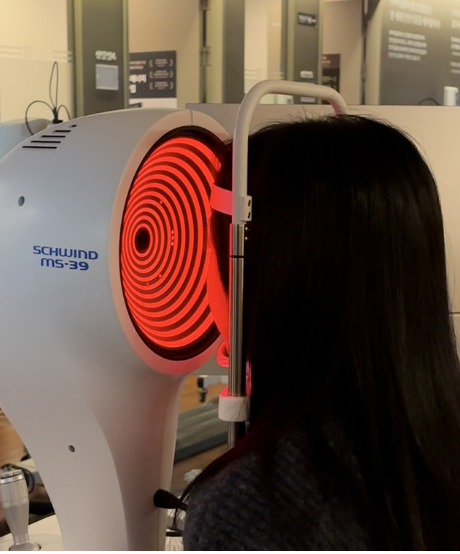
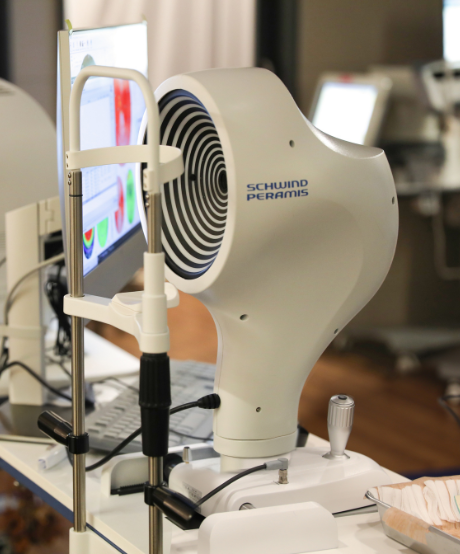
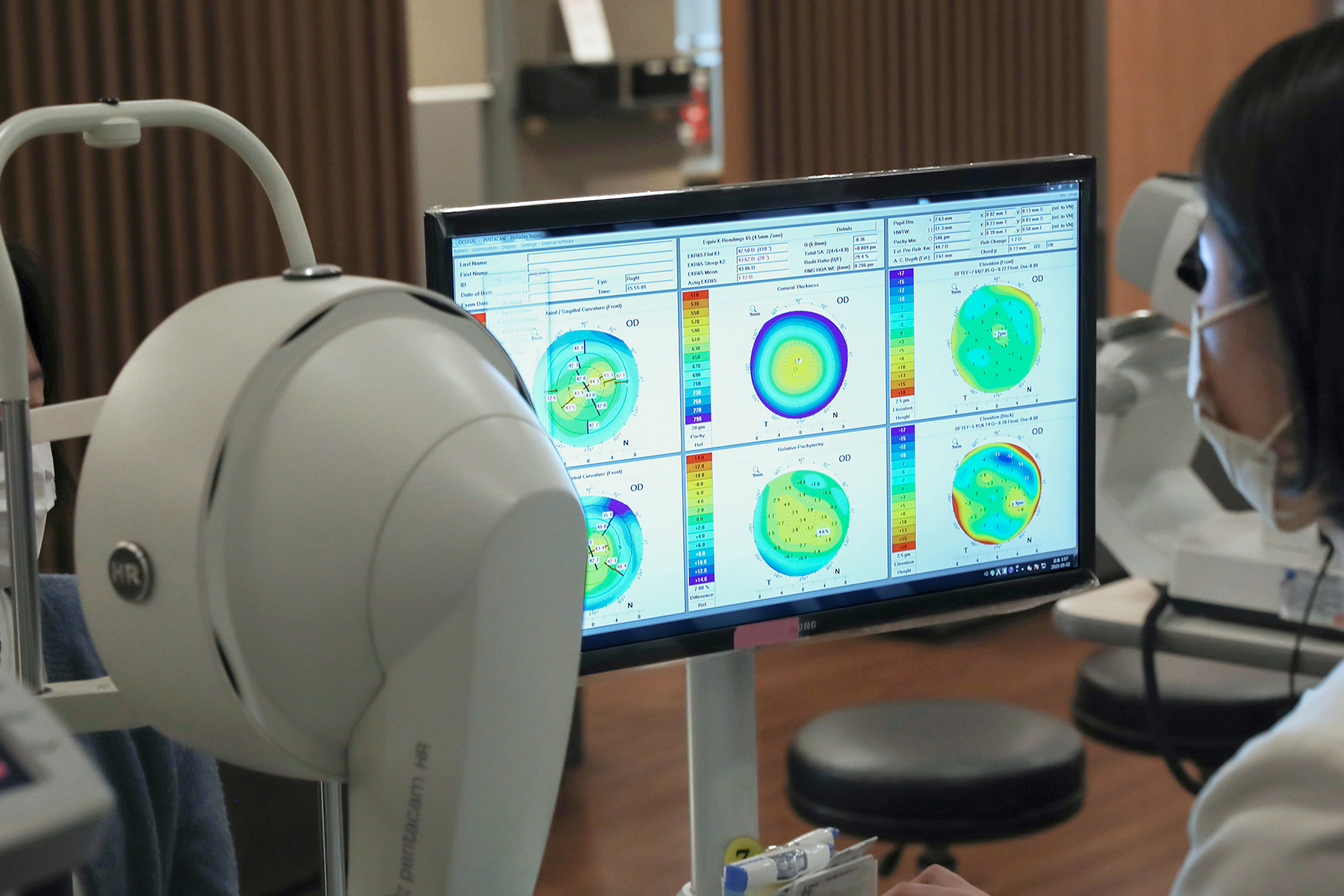
EYEREUM Eye Clinic conducts 1:1 customized surgical designs through approximately 70 types of thorough and precise examinations. The medical staff at EYEREUM Eye Clinic, all of whom are ophthalmologists from university hospitals perform treatments and research in fields such as vision correction, cataract surgery, presbyopia correction, and Implantable Collamer Lens (ICL) surgery. Medical Services - Vision Correction Surgery: SMILE (SMILE Pro · Plasma SMILE), LASIK/LASEK (CustomEyes), ICL Surgery - Presbyopia & Cataract Surgery - Other Treatments: Keratoconus, Dry Eye Syndrome, Pterygium, Conjunctival Chalasis, Conjunctival Nevus, and Dream Lenses for myopia control in adolescents.
 Medical SpecialistA place where professional doctors treat and perform procedures.
4,000,000 KRW
2,250,000 KRW
3,700,000 KRW
4,900,000 KRW
5,700,000 KRW
If you are visiting Korea from overseas and planning SMILE surgery, we recommend getting the examination and surgery done after arriving in Seoul, then planning your travel schedule afterward. SMILE has a relatively quick recovery, but right after surgery, your vision may be blurry, and you may experience glare or dryness. Most importantly, the first checkup the day after surgery is very important. After the next-day appointment to check your eyes, you can enjoy sightseeing or other daily activities depending on your recovery. You can also take flights, wear makeup, go for a light run, or attend a concert, but in the early stage after surgery, you should avoid swimming and be careful not to rub your eyes. Overseas patients usually plan their schedule in this order: Arrive in Seoul → examination and surgery → first checkup the next day → travel to Busan or Jeju → return to Seoul → final checkup before departure → leave Korea With this schedule, you can continue your trip in Korea after receiving the first necessary checkup right after surgery, and you can also have your eyes checked once more before returning home. If your stay in Korea or travel schedule is already set, letting us know in advance before surgery will help us plan the examination, surgery, and appointment schedule together.
After ICL surgery, it is important to follow your postoperative checkup schedule carefully rather than focusing only on the flight itself. Because ICL involves inserting a lens inside the eye, it is necessary to check the eye pressure, lens position, corneal condition, and more after surgery. In particular, early follow-up immediately after surgery and the following day is important, so we recommend an initial checkup and a pre-departure checkup for international patients as well. After returning home, use your prescribed eye drops as instructed, and make sure you receive guidance on the examinations and checkup schedule that need to be followed regularly. If you have any questions after returning home, please feel free to contact our clinic at any time.
If you came all the way to Korea for SMILE surgery but were told after your eye exam, “Your cornea is thin, so ICL may be a better option,” you may feel surprised. However, it is more important to choose the vision correction method that best suits your current eye condition rather than simply choosing the surgery you originally wanted. SMILE corrects myopia and astigmatism by removing a lenticule from within the cornea. Therefore, when considering SMILE, the amount of corneal tissue that needs to be removed for vision correction should also be taken into account, especially in cases of high myopia. On the other hand, ICL corrects vision by inserting a lens inside the eye without removing corneal tissue. For some patients with thin corneas or high myopia, preserving corneal tissue can be an advantage of ICL. Of course, having a thin cornea does not automatically mean that ICL is necessary. The appropriate surgical method should be determined after a detailed examination of various factors, including corneal condition and the degree of myopia and astigmatism. So, rather than thinking that being advised to have ICL means you cannot have SMILE, it is better to understand it as part of the process of finding the vision correction method that best suits your eyes.
Closed : 10/5